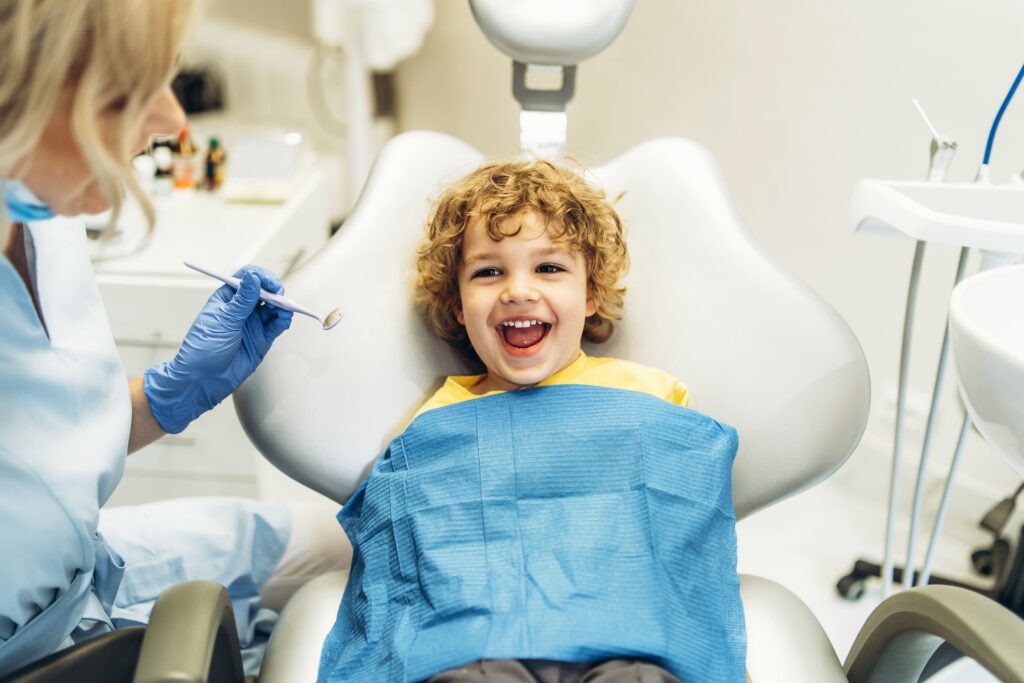
Why Pediatric Dental Exams Are Important
Children face unique oral health challenges as their mouths grow and change. Regular exams allow the dental team to stay ahead of potential problems and provide guidance tailored to each stage of development.
Catching Problems Early
Cavities in primary teeth can develop and progress quickly. A small area of demineralization at one visit can become a cavity that needs a dental filling by the next if left unaddressed. Regular exams catch these issues early, when treatment is simpler and more comfortable. Early detection matters because it prevents the pain, infection, and cost associated with advanced decay.
Monitoring Growth and Development
The dental team tracks the eruption pattern of permanent teeth, evaluates jaw alignment, and identifies crowding or spacing issues that may benefit from early orthodontic intervention. Monitoring these changes at regular intervals provides a comprehensive picture of how the mouth is developing, which is why consistent six-month visits are recommended throughout childhood.
When to Schedule the First Pediatric Dental Exam
The American Academy of Pediatric Dentistry recommends a first dental visit by age one or within six months of the first tooth erupting. This early visit is brief, gentle, and focused on establishing a dental home for the child.
What Happens at the First Visit
The dentist gently examines the gums, any erupted teeth, and the bite. Parents receive guidance on cleaning infant teeth, managing teething discomfort, and avoiding habits such as prolonged bottle use that can contribute to early childhood cavities. The visit is designed to be positive and non-threatening because a comfortable first experience shapes how the child views dental care going forward.
What Happens During a Pediatric Dental Exam
A routine pediatric dental exam includes several components designed to evaluate and protect oral health.
Visual and Clinical Examination
The dentist examines each tooth for signs of decay, checks the gums for inflammation, and evaluates the bite and jaw alignment. The tongue, cheeks, and soft tissues are also inspected for any abnormalities. This thorough examination is important because some oral health issues — such as tongue ties or mucoceles — are unrelated to teeth but can still affect eating, speech, and comfort.
Dental X-Rays When Appropriate
Dental X-rays may be taken based on the age of the child, risk factors, and clinical findings. Digital X-rays use minimal radiation and provide detailed images of the teeth, roots, and developing permanent teeth below the gumline. X-rays are an essential diagnostic tool because they reveal decay between teeth, developmental anomalies, and bone conditions that are not visible during a visual exam alone.
Professional Cleaning
A professional cleaning removes plaque and tartar buildup, polishes the teeth, and may include a fluoride treatment. The hygienist also reviews brushing and flossing techniques with the child and parent, providing tips tailored to the age and dexterity of the child.
Preventive Treatments During Pediatric Exams
Preventive care is a cornerstone of pediatric dentistry. Several treatments are applied during routine exams to strengthen teeth and reduce the risk of decay.
Fluoride Application
Professional fluoride varnish is applied to the teeth in a quick, painless step. The fluoride strengthens enamel and creates a protective barrier against acid attacks from bacteria and sugary foods. Regular fluoride applications are especially valuable for children because their developing enamel is more porous and susceptible to decay than mature adult enamel.
Dental Sealants
Sealants are thin, protective coatings painted onto the chewing surfaces of the back teeth. They fill the natural grooves and pits where bacteria and food particles accumulate, reducing the risk of cavities in those teeth by up to 80 percent. Sealants are typically applied once the permanent molars erupt, around ages six and twelve.
How Often Children Need Dental Exams
Most children benefit from dental exams every six months. This schedule allows the dental team to monitor development, apply preventive treatments at the right time, and catch any issues before they progress.
Higher-Risk Children
Children with a history of cavities, dietary habits that increase decay risk, or medical conditions that affect oral health may need more frequent visits. The dentist adjusts the exam schedule based on individual risk factors, because a personalized approach produces better outcomes than a one-size-fits-all timeline.
Preparing a Child for a Dental Exam
Parents can take several steps to help their child approach the dental visit with confidence rather than apprehension.
Positive Language and Expectations
Using upbeat, simple language about the visit — such as “the dentist will count your teeth and make them sparkly” — sets a positive tone. Avoiding words like “shot,” “drill,” or “hurt” prevents unnecessary anxiety. Reading books about going to the dentist also helps normalize the experience.
What to Bring
Bringing a favorite comfort item such as a stuffed animal or blanket can help younger children feel secure. Parents should also bring dental insurance information and any relevant medical history so the team can provide the most informed care.