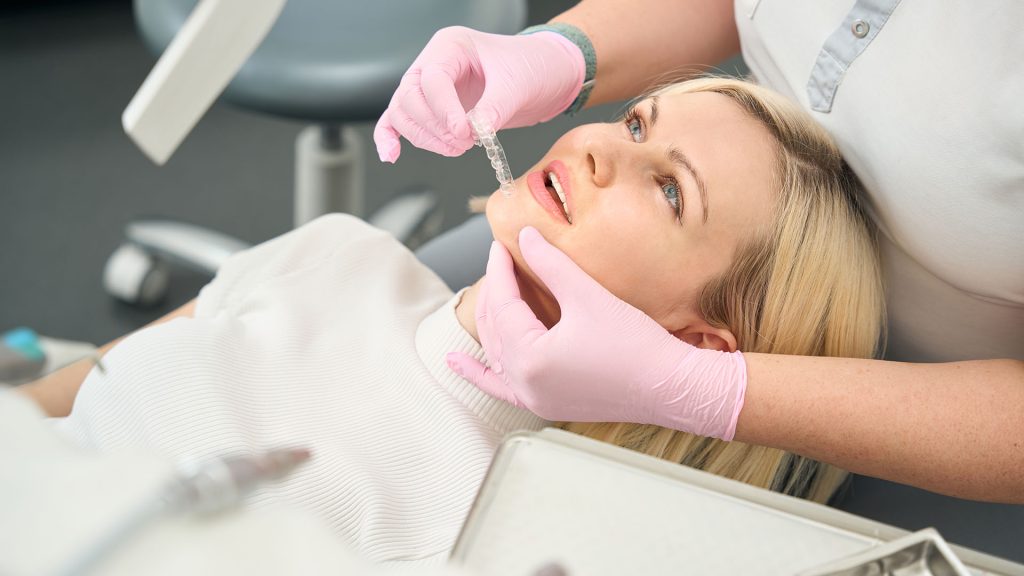
A Discreet Way to Straighten Your Teeth
Achieving a straighter smile no longer means committing to months of metal brackets and wires. Clear aligners use a series of custom-made, transparent trays to move teeth gradually into their ideal positions — all while being virtually invisible during daily activities. For patients who want effective teeth straightening with minimal impact on their appearance, clear aligners offer a comfortable, flexible alternative to traditional braces.
What Are Clear Aligners
Clear aligners are removable, custom-fabricated plastic trays that fit snugly over the teeth and apply controlled pressure to shift them incrementally. Each set of trays is designed to produce specific tooth movements, and patients progress through the series on a scheduled timeline until their teeth reach the desired alignment.
How Clear Aligners Differ From Traditional Braces
Traditional braces use fixed brackets and wires to move teeth, while clear aligners are removable and made from transparent thermoplastic material. This difference matters because it allows patients to eat, brush, and floss without any hardware in the way. There are no dietary restrictions and no risk of food getting trapped around brackets.
How Clear Aligners Differ From Invisalign
Invisalign is a specific brand of clear aligner with proprietary SmartTrack material and an extensive digital planning platform. Other clear aligner systems use similar principles but may differ in materials, treatment planning technology, and the range of cases they can address. The dentist recommends the system that best fits individual needs and case complexity.
What Clear Aligners Can Treat
Clear aligners are effective for a wide range of orthodontic concerns, particularly mild to moderate alignment issues.
Crowding
When teeth overlap or are positioned too closely together, clear aligners gradually create space and guide each tooth into its proper position. Correcting crowding improves both appearance and oral hygiene because properly spaced teeth are significantly easier to brush and floss effectively.
Gaps Between Teeth
Spacing issues — whether from genetics, tooth loss, or natural growth patterns — can be closed with clear aligners. The trays apply directional pressure to bring teeth together evenly. Closing gaps also reduces the risk of food impaction and gum irritation that open spaces can cause.
Mild to Moderate Bite Issues
Overbites, underbites, and crossbites that fall in the mild to moderate range often respond well to clear aligner treatment. More complex bite corrections may require traditional braces or a combination of approaches. The dentist evaluates bite alignment during the consultation to determine the most effective treatment path.
The Clear Aligner Treatment Process
Clear aligner treatment follows a structured process from consultation through retention, with regular check-ins to monitor progress.
Consultation and Digital Planning
The first step is a comprehensive examination including digital scans, X-rays, and photographs. These records feed into treatment planning software that maps the exact sequence of tooth movements from start to finish. Many systems generate a 3D visualization that allows the patient to see the projected outcome before treatment begins, which is why the consultation is a valuable opportunity to set expectations.
Wearing the Aligners
Patients wear each set of aligners for 20 to 22 hours per day, removing them only for eating, drinking anything other than water, and oral hygiene. Each set is typically worn for one to two weeks before advancing to the next. Consistent wear time is the single most important factor in achieving results on schedule because each tray builds on the movements made by the previous one.
Progress Check-Ups
Regular appointments — usually every six to eight weeks — allow the dentist to verify that teeth are tracking as planned. These visits also provide an opportunity to address any fit issues and dispense the next sets of trays. If adjustments are needed, refinement trays can be ordered to fine-tune the final result.
Retention After Treatment
Once the teeth reach their target positions, a retainer is prescribed to maintain the results. Teeth have a natural tendency to shift back toward their original positions, especially in the first year after treatment, which is why wearing the retainer as directed is essential for long-term stability.
Benefits of Choosing Clear Aligners
Clear aligners offer several advantages that make them particularly appealing to adult patients and busy professionals.
Nearly Invisible Appearance
The transparent material makes aligners difficult to notice during conversation, presentations, and social interactions. Most people will not know the patient is undergoing orthodontic treatment unless told.
Comfort and Convenience
Smooth plastic edges eliminate the irritation that brackets and wires can cause on the cheeks and lips. Removability means patients can enjoy all foods without restriction and maintain their normal brushing and flossing routine. This convenience matters because it encourages patient compliance, which directly impacts treatment success.
Fewer Office Visits
Clear aligner treatment typically requires fewer in-office visits than traditional braces because there are no wires to tighten or brackets to repair. Check-ups every six to eight weeks keep the process on track without requiring frequent appointments.
Caring for Clear Aligners
Proper aligner care keeps the trays clean, clear, and functioning as designed.
Cleaning the Trays
Rinsing the aligners with lukewarm water each time they are removed prevents saliva and bacteria from building up. Gently brushing the trays with a soft toothbrush and clear, unscented soap keeps them transparent. Avoiding hot water is important because heat can warp the thermoplastic material and alter the fit.
Oral Hygiene During Treatment
Brushing and flossing after every meal before reinserting the aligners prevents food particles from getting trapped between the trays and the teeth. This routine reduces the risk of cavities and staining during treatment. Patients who maintain excellent hygiene throughout aligner treatment often find that their general dentistry checkups are even smoother than usual.
How Oakwood Dental and Implants Can Help
Our dentists use state-of-the-art digital imaging technology at both the Oakwood and Lawrenceville locations. With a commitment to thorough diagnostics, patient safety, and transparent communication, the dental team ensures every X-ray serves a clear clinical purpose and contributes to a comprehensive picture of oral health.
To schedule an appointment, book online or contact the Oakwood office at (770) 534-1816 or the Lawrenceville office at (470) 508-0550 .
Cosmetic Dentistry is performed to enhance beauty, it adds to the facial beauty of a person. It is performed to improve the smile , gums, and teeth.