A Quick, Affordable Fix for Chipped and Uneven Teeth
A small chip, a narrow gap, or a slightly uneven tooth can draw more attention than the rest of a smile combined. For patients near Oakwood or Lawrenceville looking for a fast, conservative way to improve the appearance of their teeth, dental bonding delivers visible results in a single appointment with minimal preparation. Understanding how bonding works, what it can and cannot do, and how to maintain results helps patients decide whether this treatment is the right fit.
What Dental Bonding Is
Dental bonding is a cosmetic procedure in which a tooth-colored composite resin is applied to the surface of a tooth, shaped to correct imperfections, and hardened with a special curing light. The result is a natural-looking repair that blends with the surrounding teeth. The process is called “bonding” because the resin chemically bonds to the existing tooth structure, creating a durable restoration.
Common Uses for Bonding
Teeth bonding addresses a wide range of minor cosmetic and functional concerns. Repairing chipped or cracked teeth. Closing small gaps between teeth. Reshaping uneven or irregularly sized teeth. Covering permanent stains or discoloration that whitening cannot resolve. Protecting exposed tooth roots caused by gum recession. Building up worn teeth to restore proper bite height.
How the Dental Bonding Procedure Works
One of the greatest advantages of dental bonding is its simplicity. Most bonding procedures are completed in 30 to 60 minutes per tooth without the need for anesthesia.
Shade Selection
The dentist selects a composite resin shade that closely matches the patient’s natural tooth color. This step ensures the bonded area blends invisibly with the rest of the tooth.
Tooth Preparation
The surface of the tooth is lightly roughened with a conditioning agent. This etching creates a texture that helps the bonding material adhere securely. No significant tooth structure is removed, which is why bonding is considered one of the most conservative cosmetic dental treatments available.
Application and Shaping
The dentist applies the putty-like composite resin to the tooth and sculpts it into the desired shape. The material is malleable enough to be precisely contoured before it is hardened.
Curing and Polishing
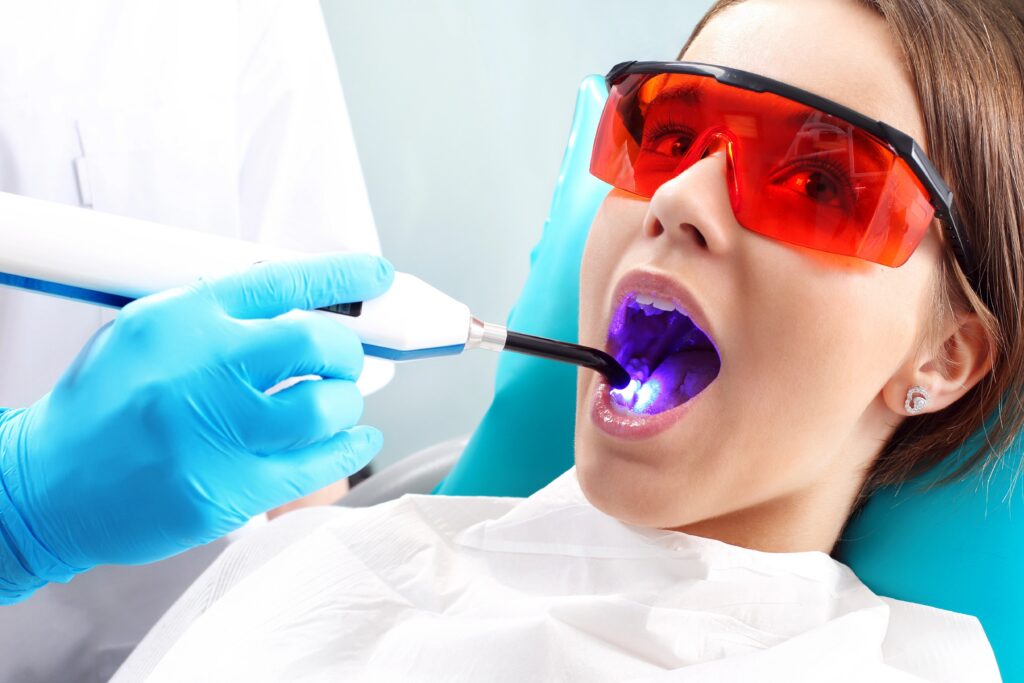
A high-intensity curing light hardens each layer of resin in seconds. Once the bonding is fully set, the dentist trims any excess, adjusts the bite, and polishes the surface to match the sheen of natural enamel.
Advantages of Dental Bonding
Bonding offers several benefits that make it a popular choice, particularly for patients seeking quick cosmetic improvements.
Speed and Convenience
Most bonding procedures are completed in a single visit. There is no need for impressions, lab fabrication, or temporary restorations because the composite is applied and finished chairside.
Minimal Tooth Alteration
Unlike dental veneers or dental crowns, bonding requires little to no removal of natural tooth enamel. This preserves the tooth’s original structure and makes bonding a reversible option in most cases.
Cost-Effectiveness
Composite bonding is typically the most affordable cosmetic dental procedure. It provides a significant aesthetic improvement at a fraction of the cost of veneers or crowns, which is why it is often recommended as a first-line treatment for minor cosmetic concerns.
How Long Dental Bonding Lasts
Composite bonding can last for many years with proper care. Its longevity depends on the location of the bonded tooth, the patient’s bite forces, and daily habits.
Factors That Affect Durability
Biting on hard objects like ice, pens, or fingernails puts bonding at risk of chipping. Staining agents such as coffee, tea, red wine, and tobacco can discolor composite resin over time because the material is slightly more porous than porcelain. Patients who grind their teeth benefit from a night guard to protect both bonding and natural enamel.
Touch-Ups and Replacement
If bonding chips or discolors, it can usually be repaired or replaced in a single visit. The original tooth structure beneath remains intact, giving patients the flexibility to transition to a different restoration in the future if needed.
Bonding vs. Veneers: Choosing the Right Option
Both bonding and veneers improve the appearance of teeth, but they serve different situations. Bonding is ideal for small, localized corrections and is completed in one visit. Veneers provide a more comprehensive transformation and offer superior stain resistance, which is why they are often preferred for patients seeking a full smile makeover.
A cosmetic dentistry consultation helps patients compare the two approaches and determine which one best aligns with their goals and budget.
Caring for Bonded Teeth
Maintaining bonded teeth requires the same attention given to natural teeth, with a few additional precautions.
Daily Habits
Brushing twice a day and flossing daily keeps the bonded area and surrounding teeth free of plaque. Avoiding excessively hard foods helps protect the bonded area.
Professional Care
Regular dental checkups allow the dentist to evaluate the condition of the bonding and address any wear or staining before it becomes noticeable. Professional polishing can refresh the appearance of composite resin and extend the restoration’s visual lifespan.
Dental Bonding for Children and Teens
Bonding is a particularly useful option for younger patients. Children who chip a front tooth during sports or play can have the tooth restored the same day. Teens who feel self-conscious about minor imperfections benefit from the confidence boost that a quick bonding procedure provides. The non-invasive nature of the treatment makes it appropriate for developing teeth because it preserves enamel and does not interfere with future orthodontic treatment.
How Oakwood Dental and Implants Can Help
Our dentists use composite bonding to deliver quick, natural-looking results across both the Oakwood and Lawrenceville locations. The artistic precision required to match shade, contour, and surface texture ensures that bonded teeth are virtually indistinguishable from natural enamel.
To schedule an appointment, book online or contact the Oakwood office at (770) 534-1816 or the Lawrenceville office at (470) 508-0550