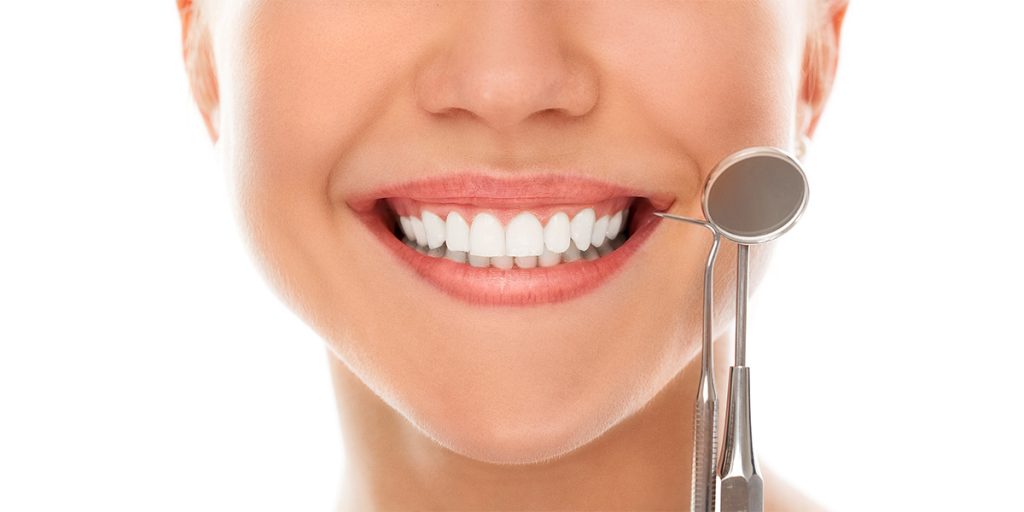
Brighter Results That Last
A bright, even smile can change the way a person feels walking into a room. Stains from coffee, tea, red wine, and everyday aging gradually dull the natural shade of tooth enamel, and over-the-counter strips rarely deliver the results patients hope for. For patients considering professional teeth whitening, understanding the difference between in-office treatment and at-home alternatives is the first step toward a noticeably whiter smile.
What Causes Tooth Discoloration
Tooth staining falls into two categories: extrinsic and intrinsic. Extrinsic stains sit on the outer enamel surface and develop from food, beverages, and tobacco use. Intrinsic discoloration originates inside the tooth structure and may result from certain medications, excess fluoride during childhood, or natural aging.
Common Sources of Extrinsic Staining
Coffee, tea, red wine, dark berries, and tomato-based sauces are among the most frequent culprits. Tobacco use — both smoking and chewing — creates stubborn brown and yellow staining that worsens over time. These surface stains respond well to professional whitening because the bleaching agent can reach and lift pigment molecules trapped in enamel pores.
Why Intrinsic Stains Require Professional Evaluation
Discoloration that originates beneath the enamel does not always respond to bleaching alone. Tetracycline staining, fluorosis, and trauma-related darkening may need alternative cosmetic solutions. A professional evaluation matters because it determines whether whitening is the right approach or whether options such as dental veneers or dental bonding would produce a more predictable outcome.
Professional Teeth Whitening vs. Over-the-Counter Products
Drugstore whitening strips, toothpastes, and trays contain lower concentrations of bleaching agents than professional-grade formulas. While they may lighten teeth by one or two shades over several weeks, professional treatments can brighten teeth by multiple shades in a single visit.
Concentration and Custom Fit
In-office whitening uses hydrogen peroxide or carbamide peroxide at concentrations that are safe only under professional supervision. Custom-fitted trays ensure even distribution of the whitening gel across every tooth surface. This uniform application matters because uneven coverage leads to blotchy, inconsistent results that over-the-counter trays cannot prevent.
Speed and Predictability
A professional whitening session typically takes 60 to 90 minutes and delivers visible results the same day. Over-the-counter options may require daily use for two to four weeks before subtle changes appear, which is why patients seeking a noticeable transformation for a specific event or milestone often choose professional treatment.
The In-Office Teeth Whitening Process
Understanding what to expect during an in-office whitening appointment can ease any uncertainty. The process is straightforward, non-invasive, and designed for patient comfort.
Preparation and Gum Protection
The dental team begins by cleaning the teeth to remove surface plaque and debris. A protective barrier is then applied to the gums to shield soft tissue from the whitening agent. This preparation step is important because it minimizes sensitivity and ensures the bleaching gel contacts only tooth enamel.
Whitening Gel Application
A professional-strength whitening gel is applied directly to the teeth. Depending on the system used, a special light may be used to accelerate the bleaching process. The gel is typically applied in multiple rounds, with each round lasting 15 to 20 minutes. Between rounds, the dentist evaluates progress and reapplies as needed.
Post-Treatment Evaluation
After the final round, the dentist removes the gel and protective barrier, then evaluates the shade change. Most patients see an improvement of several shades in a single visit. The dentist also provides guidance on aftercare to extend the results.
Take-Home Whitening Kits From the Dental Office
For patients who prefer a more gradual approach, take-home whitening kits prescribed by the dentist offer a middle ground between in-office power and convenience.
Custom Trays and Professional-Grade Gel
The dental team takes impressions to fabricate custom-fitted trays that conform precisely to each dental arch. These trays hold the whitening gel in consistent contact with every tooth, which is why they deliver more uniform results than generic boil-and-bite trays sold in stores.
Treatment Duration and Expectations
Most take-home protocols involve wearing the trays for 30 minutes to two hours per day over a period of one to three weeks. Results build gradually, and the dentist monitors progress at follow-up visits to adjust the protocol if needed.
Sensitivity Management During and After Whitening
Temporary tooth sensitivity is the most commonly reported side effect of professional whitening. It typically resolves within 48 hours and can be managed with simple strategies.
Why Sensitivity Occurs
The bleaching agent temporarily opens microscopic tubules in the enamel, exposing the dentin layer beneath. This exposure triggers a short-lived nerve response that some patients experience as a tingling or sharp sensation when consuming hot or cold foods. Understanding the cause matters because it reassures patients that the sensitivity is temporary and not a sign of damage.
Preventive Measures
Using a desensitizing toothpaste for two weeks before treatment can reduce post-whitening discomfort. The dental team may also apply a fluoride varnish after the session to seal the enamel surface. Patients who experience sensitivity during treatment should communicate with the dental team so the gel concentration or application time can be adjusted.
How Long Teeth Whitening Results Last
Professional whitening results can last from six months to two years depending on dietary habits, oral hygiene practices, and lifestyle factors.
Habits That Extend Results
Brushing twice daily, flossing regularly, and rinsing after consuming staining beverages help preserve the lighter shade. Routine dental cleanings remove surface stains before they penetrate deeper into the enamel, which is why maintaining a consistent dental visit schedule supports longer-lasting whitening results.
Touch-Up Treatments
Periodic touch-up treatments — either a brief in-office session or a few days with the take-home trays — can restore brightness as natural staining gradually returns. The dentist can recommend the ideal touch-up schedule based on individual habits and goals.
How Oakwood Dental and Implants Can Help
Our dentists evaluate each tooth shade, staining type, and cosmetic goals to recommend the most effective whitening approach. With Saturday appointments available and a patient-first philosophy that prioritizes honest recommendations, both the Oakwood and Lawrenceville locations make it easy to achieve a brighter smile on a schedule that works.
To schedule an appointment, book online or contact the Oakwood office at (770) 534-1816 or the Lawrenceville office at (470) 508-0550