Reliable Solution for Missing Teeth
Losing a tooth affects more than appearance. It changes the way a person chews, speaks, and carries confidence in everyday interactions. For patients considering their options after tooth loss, a dental bridge offers a time-tested, reliable way to restore both function and aesthetics. Understanding the dental bridge procedure, available materials, and long-term care helps patients make informed decisions about their oral health.
What a Dental Bridge Is and How It Works
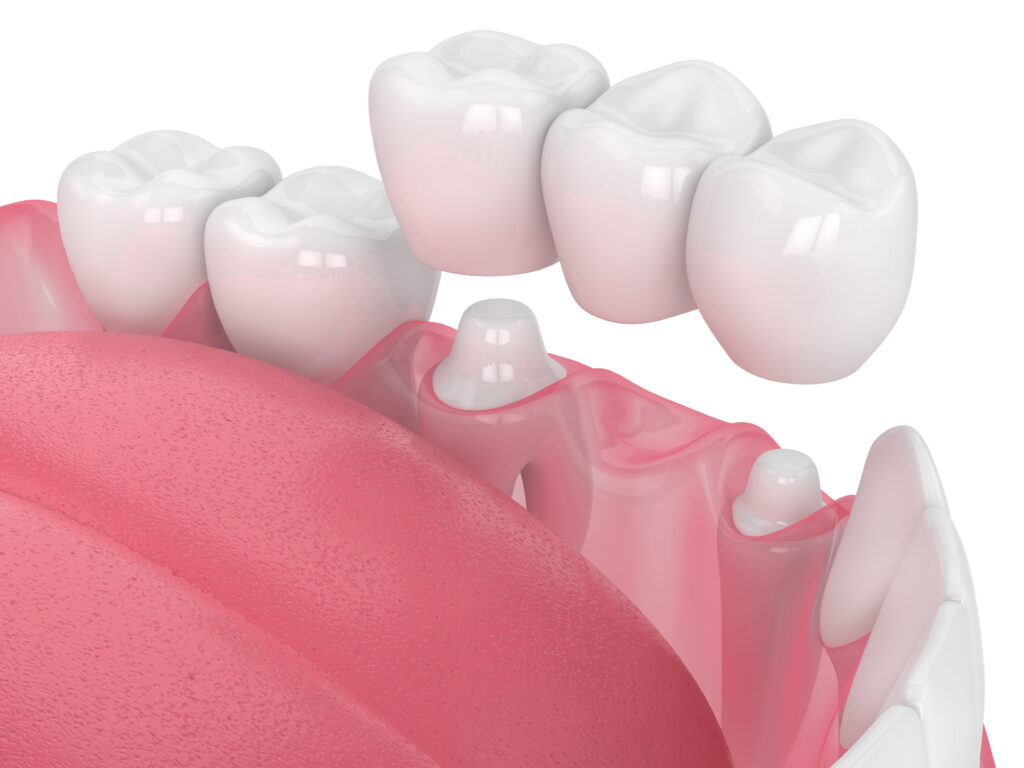
A dental bridge is a fixed prosthetic device that literally bridges the gap created by one or more missing teeth. The bridge consists of an artificial tooth, called a pontic, anchored to the natural teeth on either side of the gap. These supporting teeth, known as abutments, are prepared with dental crowns that hold the pontic securely in place.
Why Replacing a Missing Tooth Matters
Leaving a gap untreated can lead to a chain of complications. Adjacent teeth gradually shift toward the open space, which alters the bite and increases the risk of jaw discomfort. Bone loss in the area accelerates without the stimulation that a tooth root provides. That matters because these secondary problems are more difficult and expensive to correct than the original missing tooth.
Types of Dental Bridges
Several bridge designs address different clinical situations. The right choice depends on the location of the missing tooth, the health of surrounding teeth, and the patient’s long-term goals.
Traditional Fixed Dental Bridge
The most common design involves crowning the teeth on both sides of the gap and suspending a porcelain dental bridge pontic between them. This approach works best when the abutment teeth are healthy and strong enough to support the restoration.
Cantilever Bridge
A cantilever bridge anchors to only one adjacent tooth rather than two. Dentists may recommend this option when only one suitable abutment tooth is available because it preserves more natural tooth structure on the opposite side.
Maryland Bonded Bridge
Also called a resin-bonded bridge, this design uses a metal or porcelain framework bonded to the backs of adjacent teeth. It requires minimal preparation of the supporting teeth, making it a conservative choice for replacing a front tooth where biting forces are lower.
Implant-Supported Bridge
When multiple adjacent teeth are missing, an implant-supported bridge eliminates the need to modify natural teeth. Dental implants placed in the jawbone serve as anchors, which is why this option is often considered the most durable long-term solution.
The Dental Bridge Procedure: What to Expect
The process of receiving a traditional fixed dental bridge typically requires two to three appointments over a few weeks.
First Visit: Preparation and Impressions
The dentist reshapes the abutment teeth by removing a thin layer of enamel to make room for the crowns. Precise digital or physical impressions capture the shape of the prepared teeth and the gap. A temporary bridge protects the area while the permanent restoration is fabricated.
Second Visit: Fitting and Cementation
Once the dental lab completes the bridge, the dentist checks the fit, color match, and bite alignment. Adjustments are made as needed before the bridge is permanently cemented. Most patients adjust to the feel of a new bridge within a few days.
What to Expect During Recovery
Mild sensitivity in the abutment teeth is normal for the first week after cementation. Patients should eat soft foods initially and gradually reintroduce harder textures as comfort improves. Any persistent discomfort should be reported to the dental team because it may indicate the need for a minor bite adjustment.
Caring for a Dental Bridge
A well-maintained bridge can last 10 to 15 years or longer. Daily care is straightforward but requires attention to the area beneath the pontic.
Daily Cleaning Routine
Brushing twice a day and flossing under the bridge using a floss threader or water flosser prevents plaque buildup around the abutment teeth. Neglecting this area allows bacteria to accumulate, which increases the risk of decay in the supporting teeth because those teeth remain vulnerable at the crown margins.
Professional Maintenance
Regular dental checkups allow the dentist to evaluate the bridge, check for signs of wear or loosening, and clean areas that are difficult to reach at home. Patients who maintain a consistent schedule of routine dental care extend the lifespan of their restoration significantly.
Materials Used in Dental Bridges
The materials selected for a dental bridge influence its appearance, durability, and cost.
Porcelain and Ceramic Bridges
Porcelain dental bridges are the most popular choice for visible areas because they closely replicate the color and translucency of natural teeth. They resist staining and maintain their appearance over many years of use.
Metal and Porcelain-Fused-to-Metal
Metal frameworks provide exceptional strength, making them a reliable option for bridges replacing back teeth. Porcelain-fused-to-metal designs combine that strength with a natural-looking exterior. Patients who prioritize longevity in areas subject to heavy chewing forces often benefit from these options because the metal substructure resists fracture.
Dental Bridge vs. Other Tooth Replacement Options
Patients often weigh bridges against dentures and dental implants . Each option has distinct advantages.
A bridge is fixed in place and does not need to be removed for cleaning, which many patients prefer over removable dentures. The procedure is less invasive than implant surgery and is typically completed in a shorter timeframe. However, a bridge does require modification of adjacent teeth, whereas an implant stands independently.
The best choice depends on the number of missing teeth, jawbone health, budget, and personal preference. A thorough consultation helps clarify which option aligns with the patient’s situation.
How Oakwood Dental and Implants Can Help
Our dentists evaluate each patient’s unique needs to determine whether a dental bridge, implant, or alternative restoration is the most effective solution. Both the Oakwood and Lawrenceville offices offer comprehensive consultations, including digital imaging and a detailed treatment plan.
To schedule an appointment, book online or contact the Oakwood office at (770) 534-1816 or the Lawrenceville office at (470) 508-0550